
Daily Life & Local Culture
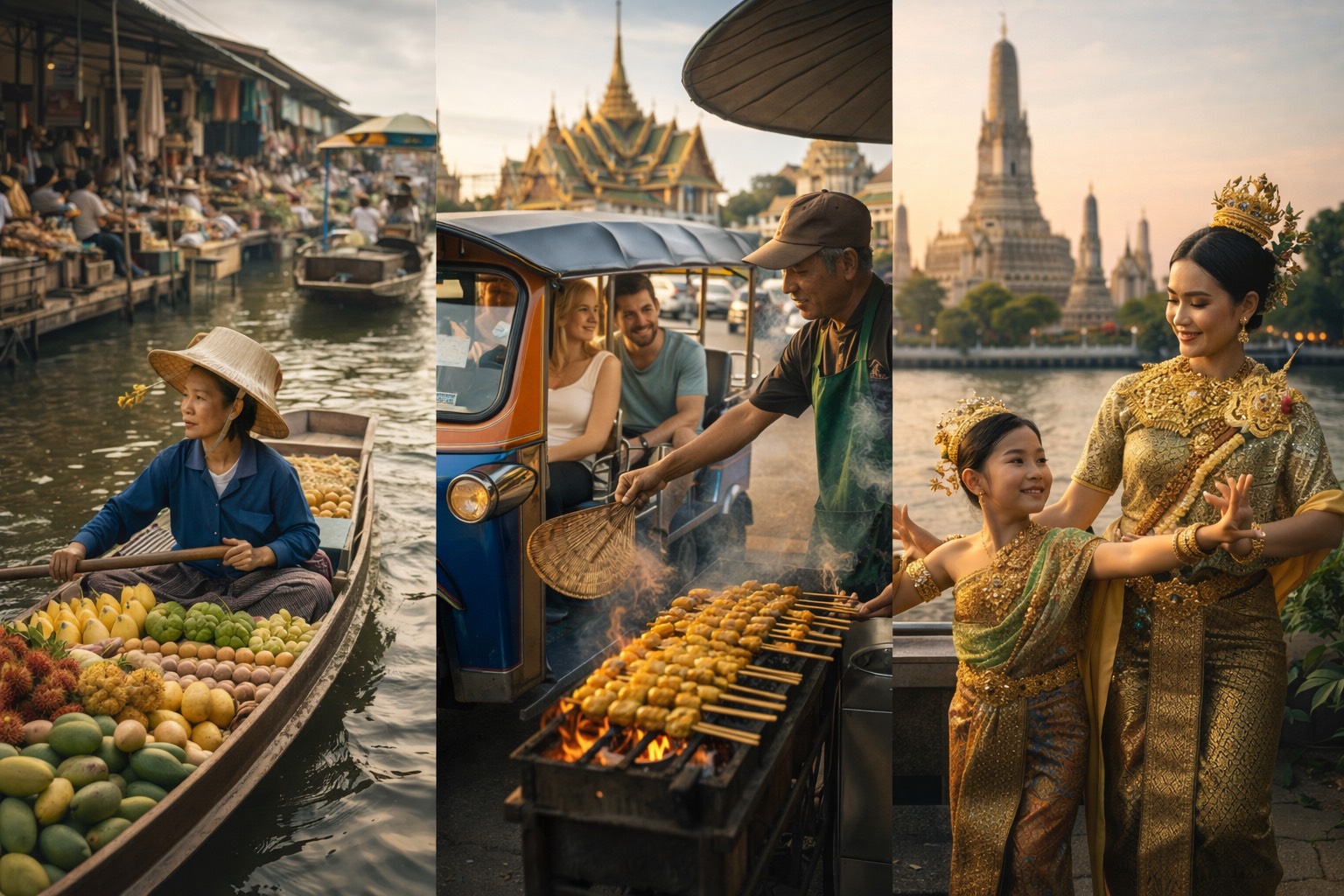
Thailand offers a dynamic blend of tradition and modern living, where daily routines are shaped by cultural values, community ties, and regional diversity. From bustling urban centers like Bangkok to coastal provinces and northern highlands, life unfolds at a rhythm that balances productivity with enjoyment. Respect, politeness, and social harmony influence everyday interactions, while food, festivals, and local markets remain central to community life. Modern infrastructure, international schools, healthcare facilities, and digital connectivity coexist with centuries-old temples and neighborhood shrines. Understanding Thailand’s daily life requires appreciating both its efficiency and its warmth—where relationships matter, hospitality is sincere, and cultural nuance shapes both personal and professional experiences.
Social Etiquette & Cultural Values
Thai society places strong emphasis on respect, hierarchy, and social harmony. The traditional greeting, the “wai,” reflects courtesy and awareness of social context. Age and professional seniority often influence communication styles, while maintaining calm composure is valued in both business and personal settings. Public displays of confrontation are generally avoided, and indirect communication may be preferred to preserve relationships. Concepts such as “kreng jai” (consideration for others) shape daily behavior, encouraging empathy and restraint. For newcomers, understanding these subtle cultural codes fosters smoother integration, stronger partnerships, and more meaningful connections within both professional networks and local communities.
Food Culture & Local Markets
Food is central to Thai daily life, connecting families, communities, and regions through shared flavors and traditions. Street food vendors operate alongside modern cafés and fine dining establishments, offering everything from regional specialties to international cuisine. Fresh markets remain vibrant hubs where residents purchase produce, seafood, herbs, and prepared dishes each morning. Meals are often shared, reinforcing social bonds and informal gatherings. Seasonal ingredients influence local menus, while culinary heritage reflects centuries of trade and cultural exchange. Exploring neighborhood markets and family-run eateries provides insight into authentic living patterns beyond the commercial dining landscape.
Festivals & National Celebrations
Thailand’s calendar is shaped by cultural and religious celebrations that bring communities together. Major festivals such as Songkran and Loy Krathong reflect themes of renewal, gratitude, and respect for nature. Buddhist holy days are widely observed, influencing business hours and public life throughout the year. Local provinces often host distinctive regional events that preserve unique customs, crafts, and performances. These celebrations strengthen intergenerational ties and reinforce cultural continuity. Participating respectfully in festivals offers meaningful understanding of Thailand’s social fabric and shared identity.
Religion & Spiritual Landscape
Buddhism plays a significant role in shaping Thailand’s moral and social framework, influencing education, architecture, and daily routines. Monks are respected members of society, and temples function as community centers for ceremonies and charitable activities. Offerings, merit-making rituals, and temple visits are common practices among residents. Spiritual life often blends formal religious observance with local beliefs and traditions. Religious holidays affect national schedules and community activities, reinforcing collective identity. For expatriates and visitors, observing temple etiquette and understanding spiritual customs demonstrates cultural awareness and fosters respectful engagement within Thai society.
Work-Life Rhythm & Community Living
Thailand’s work culture combines professionalism with relational dynamics. While major cities operate at a fast pace, social connections remain integral to business interactions. Networking often extends beyond formal meetings into shared meals or informal gatherings. Residential neighborhoods vary from high-rise condominiums to gated communities and traditional housing clusters, each offering distinct lifestyles. Community associations, local events, and shared spaces encourage neighborly engagement. Work-life balance frequently includes family time, leisure travel, and cultural participation. Recognizing this balanced rhythm helps individuals adapt effectively while maintaining productivity and social integration.
Arts, Crafts & Contemporary Expression
Thai artistic heritage spans classical dance, silk weaving, wood carving, and intricate temple murals. Traditional craftsmanship continues to thrive alongside contemporary galleries, design studios, and creative industries. Urban districts increasingly showcase modern art exhibitions, independent cafés, and cultural spaces that blend heritage with innovation. Handicraft villages across the country preserve regional techniques passed through generations, supporting local economies. Creative expression reflects both spiritual symbolism and modern reinterpretation. Engaging with Thailand’s artistic landscape reveals how identity evolves while honoring tradition, offering a deeper appreciation of cultural continuity within an increasingly global society.